


Understanding website conversion rate tracking is pivotal for any digital marketing strategy as it allows businesses to measure how effectively they convert visitors into customers or leads. This process involves pinpointing specific user actions on a website, analysing the outcomes, and calculating the conversion rate to determine the success of marketing initiatives.
What is a Conversion Rate?
A conversion rate is the percentage of website visitors who complete a desired action, such as making a purchase, signing up for a newsletter, or filling out a contact form. The formula for calculating the conversion rate is:
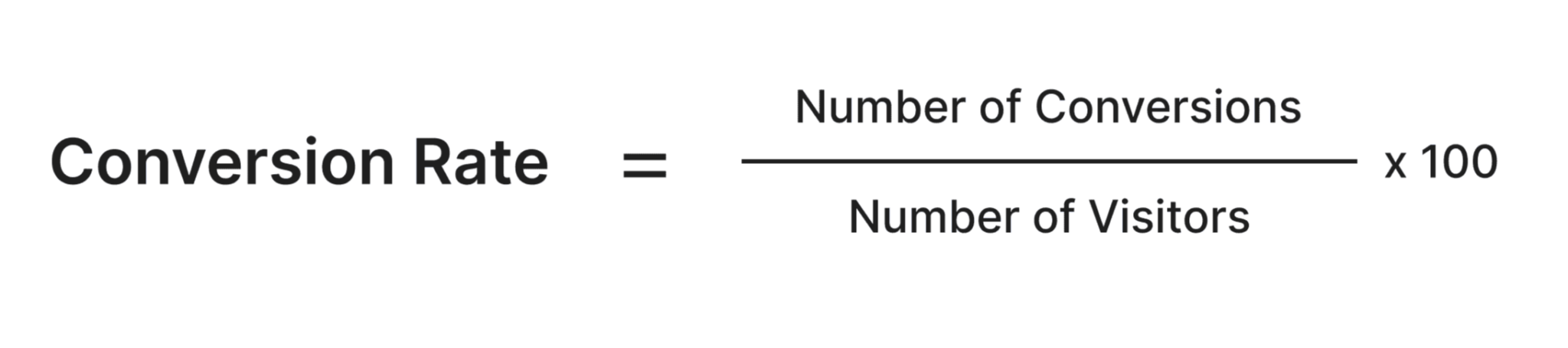
For instance, if a website receives 1,000 visitors and 50 of them make a purchase, the conversion rate would be 5%.
Importance of Conversion Rate Tracking
Tracking conversion rates is essential for several reasons:
- Performance Measurement: It provides a quantifiable measure of how marketing strategies and website design influence visitor actions. A higher conversion rate suggests that the website effectively engages visitors and encourages them to take action.
- Resource Allocation: Understanding which marketing channels and strategies deliver the best conversion rates enables businesses to allocate resources more effectively, maximising return on investment.
- User Experience Optimisation: Insights from conversion rate analysis can inform improvements in user experience and streamline the conversion process, making it more efficient for users to complete the desired actions.
How Does Conversion Rate Tracking Work?
- Setting Conversion Goals: Initially, define what constitutes a conversion on your website, which could be actions like purchases, sign-ups, or downloads.
- Utilising Analytics Tools: Implement tools such as Google Analytics to track conversions. These tools require embedding tracking codes on your website to gather data on user interactions.
- Data Collection and Analysis: With tracking in place, collect data on how many visitors complete defined actions versus the total number of visitors. This data can be segmented by traffic source, landing page, or other variables for deeper insights.
- Calculating and Interpreting Results: After collecting sufficient data, calculate the conversion rates using the formula provided. This analysis aids in identifying trends and pinpointing areas for enhancement.
Conclusion
Website conversion rate tracking is an indispensable practice for any business aiming to optimise its online presence and enhance marketing effectiveness. By understanding and measuring conversion rates, businesses can make informed decisions that boost user engagement and drive sales growth.


